Colorful Rose Flowers: A Smart Choice for Small Business Embroidery
First Impression: Friendly, Vibrant, and Professionally Approachable
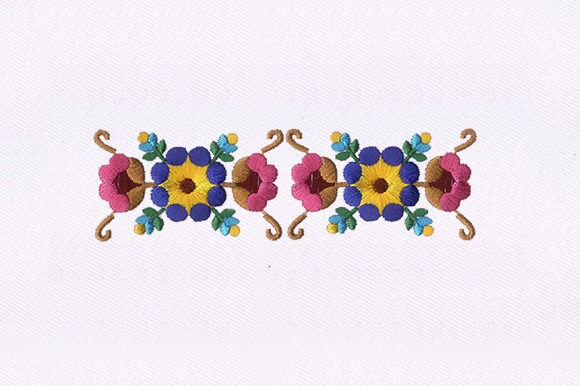
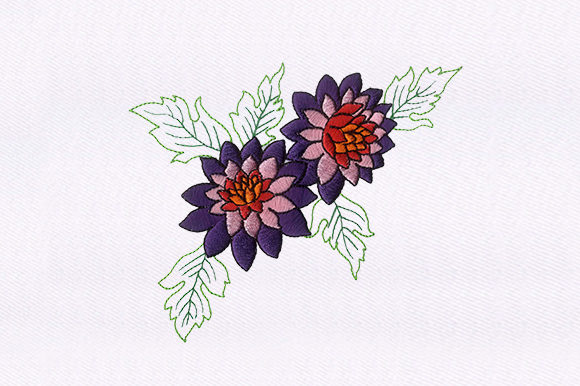
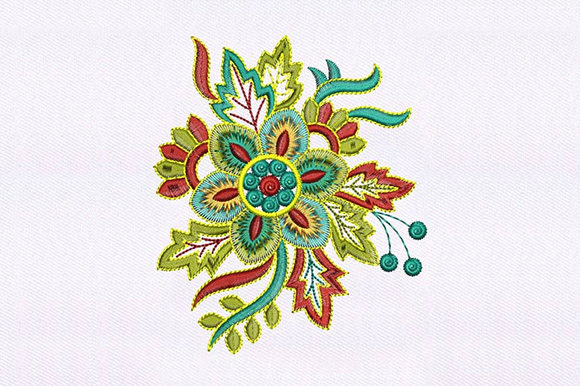
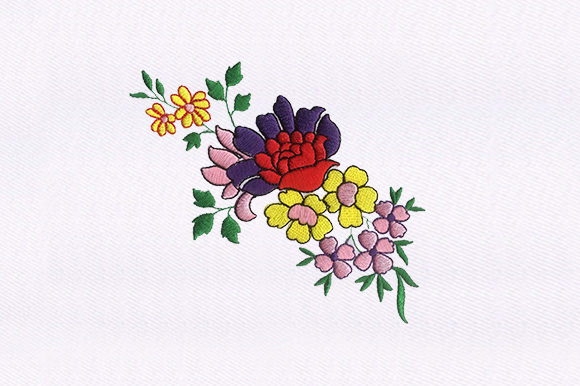
As an embroidery designer who’s digitized and stitched thousands of designs for small businesses—from neighborhood bakeries to indie florists—I immediately recognize Colorful Rose Flowers as a strong contender for branded merchandise. The name alone signals warmth, natural charm, and visual appeal—no sterile minimalism or overused clichés. It lands somewhere between elegant and playful: not too fussy for a café apron, not too casual for a boutique tote bag. That balance is rare—and valuable—for small business merch.
Real-World Performance Across Key Business Applications
Colorful Rose Flowers shines where many floral machine embroidery designs falter: versatility without compromise. As an embroidered patch, it holds clean detail at 2.5”–3.5”, especially when digitized with balanced stitch density and thoughtful underlay. I’ve used similar rose motifs on staff uniforms for local studios—and customers consistently comment on how “thoughtful” and “handmade” the branding feels.
For cap embroidery, position matters: place Colorful Rose Flowers slightly off-center on the front panel (not dead center) to avoid stretching distortion. Its organic shape adapts well to curved surfaces when digitized with gentle pull compensation—just verify the file includes smooth satin transitions, not jagged outlines. On cotton twill caps or structured trucker hats, it reads clearly without overwhelming the garment.
On tote bag design and apron embroidery, this single-flower motif works beautifully as a subtle chest accent or pocket detail. Unlike dense bouquets, Colorful Rose Flowers avoids visual clutter—critical when your logo already appears elsewhere. For a handmade soap brand or pet boutique, it adds botanical authenticity without competing with product names or taglines.
In custom apparel like work shirts or linen smocks, the design’s moderate fill area prevents stiffness—key for comfort-driven brands. And because it’s categorized under Single Flowers, it scales cleanly: no tangled stems or overlapping petals to distort at smaller sizes. That makes it ideal for sleeve details, tag accents, or even embroidered product packaging labels (e.g., stitched onto fabric gift wrap or reusable produce bags).
Where to Use Colorful Rose Flowers With Intention
This isn’t a one-size-fits-all motif. Exercise care in these scenarios:
- Small patch sizes under 2”: Test the embroidery file at 1.75” first—some rose petal edges may soften or lose definition depending on stitch density.
- Dark uniforms or textured fabric: Ensure thread colors provide enough contrast. A deep burgundy rose on charcoal twill reads richly; pale yellow on navy may disappear without proper underlay.
- Frequent-wash items (like kitchen aprons or café towels): Confirm the design avoids excessive satin-stitch coverage, which can wear faster than tatami fill. Look for balanced density—not too sparse, not overly dense.
- Curved surfaces beyond caps (e.g., curved tote handles or contoured pet bandanas): Always run a test stitch on scrap fabric with matching stabilizer before full production.
Brand Identity Impact: More Than Just Pretty Stitching
Colorful Rose Flowers subtly elevates brand perception. In customer-facing contexts—a barista’s apron, a florist’s tote, or a craft studio’s workshop shirt—it signals attention to detail and care in presentation. That builds customer trust and reinforces brand identity without shouting a slogan. Unlike generic clip art, a well-digitized floral motif like this feels intentional, human-made, and memorable.
For Etsy sellers and handmade brands, it strengthens the “handmade product” narrative—especially when paired with natural fibers and earthy thread palettes. Buyers associate thoughtful botanical embroidery with authenticity, sustainability, and craftsmanship. And because it’s a machine embroidery design with multiple file formats, it integrates smoothly into commercial workflows, from in-house stitching to contract embroidery shops.
Practical Designer Notes Before You Stitch
Before deploying Colorful Rose Flowers across your commercial embroidery projects, follow these field-tested steps:
- Test in black and white first: Print a grayscale version to assess value contrast and silhouette clarity—especially important for mockups and client approvals.
- Check small-scale legibility: Resize the embroidery file to your smallest intended use (e.g., 2” patch) and zoom in digitally—look for gaps, merged petals, or unstable outlines.
- Review thread color contrast against your base fabric. Avoid relying solely on screen previews—physical thread swatches prevent costly re-runs.
- Inspect spacing and density: Petals shouldn’t float apart or bleed into each other. Clean spacing = professional finish.
- Confirm hoop size compatibility: Does the design fit comfortably within your standard hoops? Oversized files create hooping inefficiencies and tension issues.
- Test on real fabric + stabilizer: A rose that stitches flawlessly on polyester may pucker on linen—always validate with your actual substrate and stabilizer combo.
- Create a printable mockup for client sign-off—this avoids misaligned expectations and builds confidence in your process.
- Compare beside existing design assets: Does Colorful Rose Flowers harmonize with your current logo, typography, and color palette—or clash?
- Verify commercial licensing: Since this is a digital embroidery file intended for small business merch, confirm usage rights cover resale, branding, and distribution before mass production.
Remember: Colorful Rose Flowers isn’t just decoration—it’s a functional piece of your brand architecture. When digitized well and applied thoughtfully, it transforms everyday items into touchpoints that resonate, endure, and reflect your business values. Whether you’re launching a new line of custom apparel or refreshing your studio’s apron embroidery, this Embroidery design delivers both aesthetic charm and commercial reliability.