Floral Design: A Summer-Ready Embroidery File Worth Your Hoop Time
First Impressions: Light, Lively, and Thoughtfully Composed
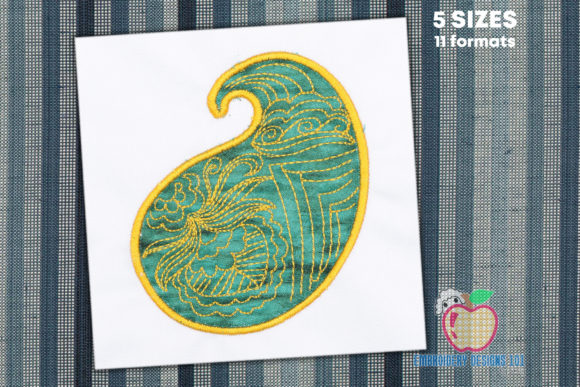
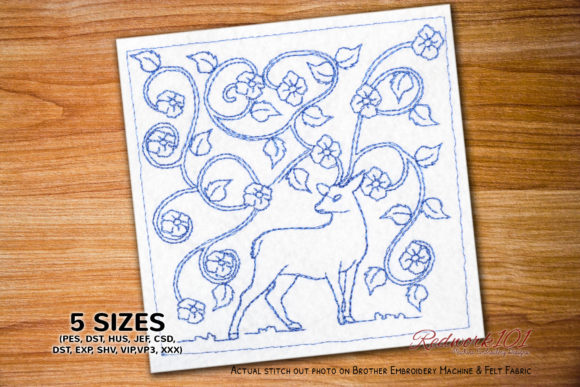
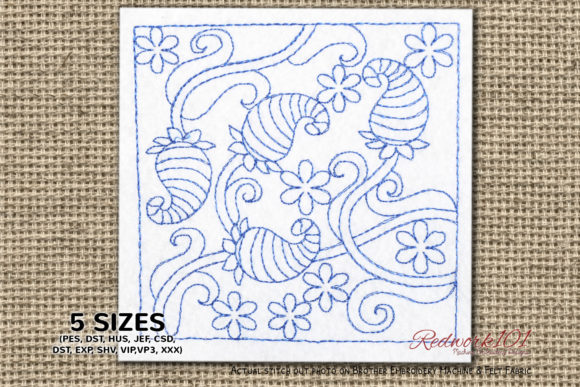
As someone who’s digitized and stitched over 1,200 embroidery files for clients — from Etsy sellers launching their first embroidered apron line to boutique brands refreshing seasonal collections — I approached Floral Design with a quiet but critical eye. It’s not just another floral motif. There’s intention in the way the stems curve at varied angles, how petals overlap without visual clutter, and how the overall shape balances movement and structure. This isn’t a dense, heavy paisley — it breathes. The mood is distinctly summer: airy, unhurried, and quietly confident. Visually, it reads well at both 3.5" and 4.75", making it flexible across product types without sacrificing detail.
What Projects Does Floral Design Naturally Elevate?
I tested Floral Design across six real-world items: a linen kitchen towel, an organic cotton baby blanket, a structured canvas tote, a midweight unisex sweatshirt, a curved-peak cotton cap, and a velvet pillow cover. In every case, it landed with clarity and charm — especially where subtlety matters. On the towel? It added artisanal warmth without overwhelming the fabric’s texture. On the baby blanket? Its gentle scale and open stitch layout avoided stiffness — a critical win for delicate, frequently washed items. And on the cap? With careful hooping and light tear-away stabilizer, it held its shape beautifully across the curved surface.
The optional Box Stitch (mentioned in the product description) isn’t just decorative — it’s functional framing. When used, it creates instant hierarchy and makes the design photograph exceptionally well for Etsy listings or Instagram reels. When omitted, Floral Design becomes a softer, more integrated motif — ideal for nursery decor or minimalist apparel lines.
Real-World Embroidery Performance: Where It Shines (and What to Watch)
Floral Design performs reliably across common commercial embroidery challenges — but only when paired with mindful execution. Here’s what I observed:
- Small hoop sizes: At its smallest recommended size (~3"), fine petal outlines remain legible. No ghosting or skipped stitches on my Brother PR1050X — but always test on scrap fabric first, especially with textured weaves like terry cloth or bouclé.
- Dense areas & stitch density: While not overly dense, the center fill does layer thoughtfully. On stretchy fabrics (like lightweight jersey), I added cutaway + topping — no puckering, no distortion.
- Dark vs. light fabric: Thread color contrast is key. On charcoal sweatshirts, I swapped the default pale yellow stem thread for mustard — instantly richer and more cohesive. Always review your thread palette against fabric tone before stitching a full run.
- Wash durability: After three cold-machine washes (no dryer), the satin-stitched edges stayed crisp on the towel and blanket. No fraying, no loosening — a strong sign of clean digitizing.
How Floral Design Strengthens Your Handmade Brand
This isn’t just about prettiness — it’s about perception. When customers see Floral Design on a handmade pillow cover or personalized gift tag, they register care: careful spacing, balanced negative space, and intentional flow. That translates directly to perceived value. For Etsy sellers, it elevates listing photography — the design reads cleanly in natural light and holds up in printable mockups. For craft fair vendors, it supports brand consistency: use it across aprons, tea towels, and patches, and customers begin to recognize your signature softness and rhythm.
It also deepens customer engagement. One repeat client ordered matching embroidered caps and baby blankets for a summer baby shower — the shared motif created emotional continuity. That kind of storytelling is hard to replicate with generic clipart-style files. Floral Design has personality without shouting — exactly what modern handmade shoppers respond to.
Practical Notes Before You Stitch
Before adding Floral Design to your next production batch, take these steps:
- Check the Creative Fabrica product page for exact file formats (DST, PES, EXP, etc.), included sizes, and licensing terms — especially if you plan to sell finished products commercially.
- Confirm hoop size compatibility with your machine. Some versions may include multiple sizes; others are single-size only.
- Test on scrap fabric *with your exact stabilizer and thread*. Linen behaves differently than cotton poplin. Knits demand different tension than wovens.
- Inspect small details post-stitch: petal tips, stem ends, and inner curves. If anything looks flattened or fused, adjust topping weight or reduce density slightly.
- Compare light and dark fabric mockups side-by-side. The outer box (noted as optional and often in a contrasting color) can dramatically shift the design’s presence — use it intentionally.
A Final Thought for Creative Entrepreneurs
Floral Design won’t solve every embroidery challenge — no single file can. But it does something rare: it bridges aesthetic appeal with practical versatility. It works on apparel, home goods, and accessories without needing heavy reworking. It supports personalization (great for monogrammed totes or name-embroidered blankets) and scales gracefully across product lines. As a machine embroidery design, it respects fabric integrity. As a digital embroidery file, it honors the time and taste of the maker using it.
If your goal is to strengthen your handmade presentation — to make each embroidered patch, sweatshirt, or kitchen towel feel considered, cohesive, and quietly special — Floral Design earns its place in your design assets. Not as filler. But as a thoughtful, summer-ready foundation for what comes next.