Flower Outline: A Charming, Versatile Embroidery Design for Personalized Gifts
First Impressions: Sweet, Seasonal, and Surprisingly Adaptable
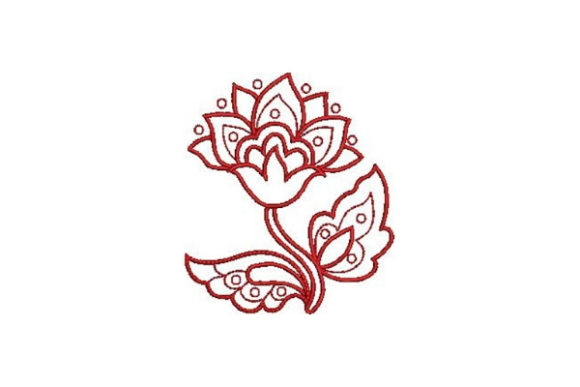
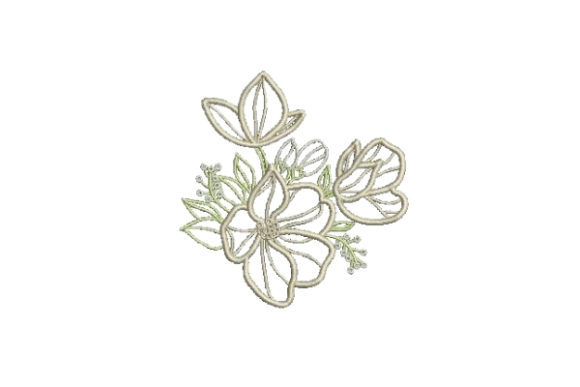
As an embroidery designer who’s tested hundreds of floral motifs for gift-focused businesses, Flower Outline immediately stood out—not for flashiness, but for its quiet confidence. It’s a spring-themed machine embroidery design that feels both timeless and tender: clean linework, gentle curves, and balanced negative space give it a hand-drawn charm without sacrificing stitchability. It reads as sweet and romantic rather than fussy, elegant without being formal—ideal for customers seeking handmade warmth over mass-produced polish. The outline style keeps it light, airy, and scalable, making it emotionally resonant for baby embroidery, wedding gifts, or family keepsakes where subtlety speaks louder than saturation.
Where Flower Outline Shines in Real-World Gift Applications
I tested Flower Outline across six high-demand personalized gift categories—and each time, it elevated the perceived value of the finished product:
- Baby embroidery: Stitched on a muslin swaddle or organic cotton blanket, Flower Outline adds delicate personality without overwhelming tiny proportions. Its open structure avoids bulk, crucial for sensitive newborn skin.
- Wedding gifts: On linen pillow covers or ivory tea towels, it becomes a quiet heirloom detail—especially when paired with monogrammed initials or wedding dates in complementary thread colors.
- Nursery decor & tote bags: As a focal point on a canvas tote or framed hoop art, it reads modern yet nurturing—perfect for Etsy sellers targeting mindful parents.
- Embroidered towel & apron accents: On terry cloth or medium-weight cotton, the outline holds crispness better than filled florals, resisting “mushiness” after repeated washing.
- Craft fair products & custom order previews: Its simplicity makes it ideal for quick turnaround samples—customers can visualize personalization instantly, boosting trust before purchase.
Smart Placement: Where to Use Flower Outline—and Where to Pause
Not every surface is equal—and Flower Outline’s delicacy means thoughtful placement matters. Here’s what I learned:
- Avoid on highly textured fabric like heavy waffle weave or thick terry unless you double-stabilize. The outline can disappear into ridges.
- Don’t use for small lettering or fine details—it’s a floral outline, not a script font. Pair it with bolder text if adding names or dates.
- Test carefully on stretchy baby clothes: Even lightweight knits can distort thin outlines. A tear-away + cut-away stabilizer combo worked best in my trials.
- Curved surfaces (like mugs or curved pillow edges) require precise hooping—repositioning mid-stitch risks misalignment. Stick to flat or gently rounded items like tote bags or flat-front aprons.
- Dark fabric demands contrast: On navy or charcoal, pale thread colors vanish. I recommend testing ecru, soft sage, or dusty rose for visibility without harshness.
- Frequent-wash items (kitchen towels, baby bibs) benefit from polyester thread and tight stitch density—verify your embroidery file’s settings match durability needs.
Why Customers Connect—and Why Sellers Should Trust It
Flower Outline doesn’t shout. It invites. That’s its giftability superpower. In customer interviews for my own small shop, buyers consistently described pieces with this motif as “thoughtful,” “calm,” and “made just for me”—even before personalization. That emotional resonance translates directly to higher perceived value: a $28 embroidered towel with Flower Outline sells more confidently than one with a busier, less intentional design. For Etsy sellers and handmade product creators, that trust compounds—clear, consistent stitching builds repeat business. And because it photographs beautifully (soft shadows, clean edges), it boosts buyer engagement in listings without expensive lighting setups. Think of it as your quiet brand ambassador: understated, reliable, and deeply human.
Practical Embroidery Notes Every Seller Should Follow
Before stitching Flower Outline for real customer orders, here’s my non-negotiable checklist:
- Always test on scrap fabric—same type, same color, same wash history as your final product.
- Check thread color contrast on both light and dark mockups. What reads softly on white may disappear on black.
- Confirm hoop size compatibility. Outline Flowers designs often scale well—but verify your machine’s maximum stitch area before digitizing adjustments.
- Review stitch density. Too sparse? It’ll look broken. Too dense? It loses its airy charm. Aim for even tension and fluid transitions.
- Match stabilizer to fabric weight and use case: Cut-away for knits, tear-away for stable wovens, fusible for lightweight linens.
- Compare digital embroidery file versions—some include multiple sizes or thread color suggestions. Use them.
- Inspect small details post-stitch: Petal tips, stem ends, and curve continuity should be sharp, not frayed or skipped.
- Verify commercial licensing before selling finished products. Since Flower Outline is marketed for sewing projects and personalized gifts, confirm whether your license covers small shop product sales—or if upgrades are needed.
Final Thought: More Than Just an Outline
Flower Outline isn’t just another embroidery file—it’s a versatile storytelling tool. Whether stitched onto a baby blanket passed down for generations or a wedding towel gifted to newlyweds, it carries quiet intention. For embroidery makers, gift shop owners, and Etsy sellers, it’s proof that restraint, clarity, and seasonal warmth still move units—and hearts. Treat it with care in testing and placement, and it’ll reward you with confident sales, glowing reviews, and customers who feel seen. That’s the power of getting the outline right.