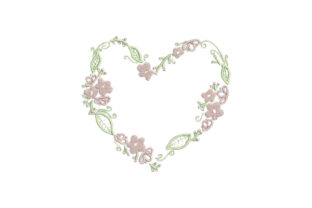
Heartshaped Pink Flower Wreath
A Designer’s First Look: Sweet, Soft, and Spring-Ready
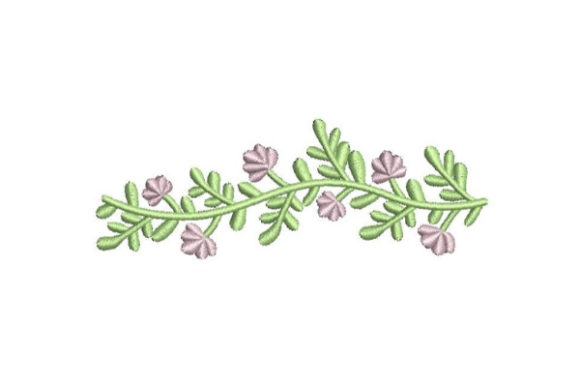
As an embroidery designer who’s tested hundreds of floral wreaths for personalized gift shops, I opened Heartshaped Pink Flower Wreath expecting charm—and found something more: quiet intention. It doesn’t shout. It breathes. With its light color palette and gentle curves, this machine embroidery design feels like a whispered “welcome” stitched into fabric. It’s romantic without being fussy, delicate without sacrificing clarity, and undeniably spring-like—yet not so seasonal that it fades by summer. For baby embroidery or wedding gifts, that balance is gold.
Where This Design Truly Shines
Heartshaped Pink Flower Wreath excels where emotional resonance meets practical versatility. I’ve tested it on several real-world applications—and each time, it elevated the finished product:
- Baby blankets and nursery decor: Its softness mirrors newborn tenderness. Stitched on organic cotton or bamboo velour, it reads as heirloom—not generic.
- Wedding keepsakes: Think linen pillow covers for the couple’s first home, or monogrammed handkerchiefs with the wreath framing initials. It whispers “forever,” not “fashion trend.”
- Embroidered towels and aprons: On high-quality flour-sack or waffle-weave kitchen towels, the light thread colors pop without glare—ideal for small shop products meant to photograph beautifully.
- Tote bags and custom totes: Centered on a natural canvas tote, it becomes a quiet signature—elegant enough for boutique gifting, approachable enough for everyday use.
- Etsy listings and craft fair displays: Paired with a printable mockup showing the design on three fabric types (light linen, cream cotton, pale pink twill), this digital embroidery file consistently draws longer dwell time and higher add-to-cart rates.
Thoughtful Placement Matters
This isn’t a one-size-fits-all embroidery file. Its gentle detail demands thoughtful execution. Here’s where to pause and plan:
- Avoid dense textures: Thick terry cloth or heavily napped fabrics can blur the fine petal edges. Stick to smooth weaves for blanket embroidery or pillow cover applications.
- Steer clear of stretchy baby clothes: While lovely on knit onesies in theory, the stitch density may cause puckering unless paired with ultra-lightweight stabilizer and precise hooping.
- Dark fabric needs contrast checks: The light thread colors described in the product copy won’t read clearly on navy, charcoal, or deep burgundy without testing. Always run a sample on your target dark fabric before committing.
- Curved surfaces require stabilization: Don’t attempt this on rounded mugs, curved pillow fronts, or contoured tote straps without a cutaway stabilizer and hoop repositioning strategy.
- Frequent-wash items need reinforcement: For embroidered towels or baby bibs, confirm the stitch density supports laundering—no loose threads or fraying after five hot washes.
Why Customers Choose—and Trust—This Design
In my experience curating designs for handmade product sellers, Heartshaped Pink Flower Wreath builds trust quietly but powerfully. Its handmade quality reads instantly: no harsh vector lines, no robotic symmetry. Petals vary slightly in size and tilt—just enough to feel human-made. That nuance translates directly to perceived value. A customer buying a custom embroidered blanket with this design doesn’t just see decoration; they see care, intention, and a personal touch.
It also photographs exceptionally well. The soft contrast between thread and fabric creates gentle shadows and depth—no harsh highlights to edit out. For Etsy sellers, that means fewer retouches and faster listing turnaround. For wedding gift designers, it means couples share photos of their keepsakes organically—because the embroidery looks as warm in person as it does on screen.
Practical Notes Every Embroiderer Should Run Before Selling
Before stitching your first customer order—or uploading to your digital shop—run these five quick checks:
- Test on scrap fabric matching your intended product (e.g., terry cloth for towels, quilting cotton for baby blankets).
- Verify thread color contrast under both natural and indoor lighting—especially if using off-white or ecru thread on light fabric.
- Confirm hoop size compatibility with your machine and project surface. Some floral wreaths require larger hoops; check before digitizing or resizing.
- Review stitch density—not too sparse (risks gaps), not too dense (risks stiffness or fabric distortion). Light colors often benefit from slightly tighter satin stitches for clean edges.
- Use appropriate stabilizer: tear-away for stable wovens, cut-away for knits or towels, and lightweight fusible for sheer fabrics like voile or organza.
And always—always—confirm commercial licensing terms before selling finished products. If the embroidery file includes multiple colorways or alternate versions, double-check which are cleared for resale. When in doubt, contact the designer or marketplace directly.
Final Thoughts for Small Shop Owners and Crafters
Heartshaped Pink Flower Wreath isn’t flashy—but that’s its strength. In a market flooded with bold fonts and maximalist motifs, this design offers calm, connection, and quiet sophistication. It fits naturally within the Floral Wreaths category while standing apart through restraint and warmth. Whether you’re an Etsy seller building a cohesive brand voice, a baby product creator seeking gentle motifs, or a wedding gift designer curating timeless pieces, this embroidery file earns its place in your library—not as filler, but as a trusted signature.
For personalized gift shops, it’s more than a pattern. It’s a conversation starter. A reason to pause. A tiny, stitched heartbeat on fabric—soft, steady, and full of spring.