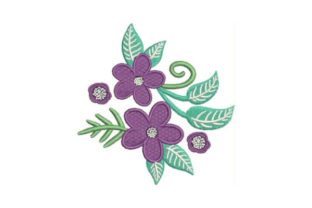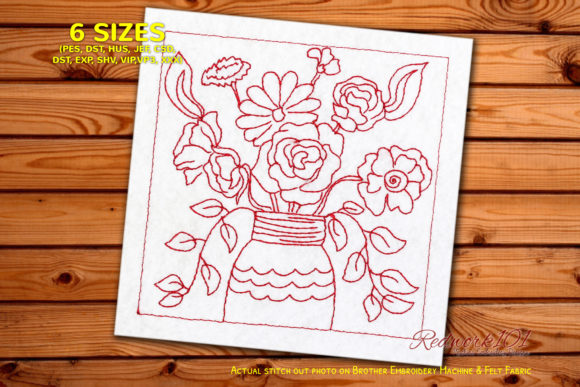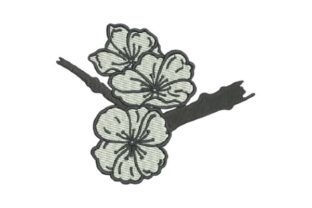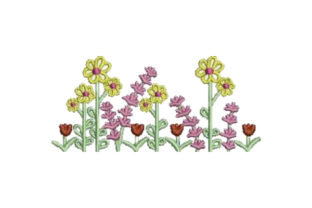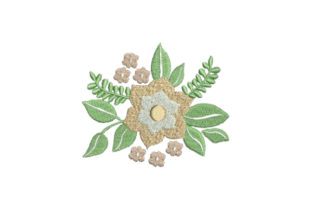
Light Flower Embellishment
A Summer-Soft Bouquet That Sells at First Glance
As an embroidery designer who’s prepped over 200 craft fair booths—and watched which designs stop foot traffic versus which fade into the background—I’ll say it plainly: Light Flower Embellishment lands with quiet confidence. It’s not bold or flashy, but that’s its strength. In a sea of busy florals and oversized monograms, this design reads as soft, modern, and effortlessly elegant—like linen on a sunlit porch or a hand-stitched note tucked inside a gift bag. The phrase “light colors” in the description isn’t just poetic; it signals immediate versatility across fabric palettes and customer aesthetics—from farmhouse boutiques to minimalist Etsy shops.
Where Light Flower Embellishment Shines on Craft Fair Products
This isn’t a one-size-fits-all embroidery file—it’s a mood-setter, and its success hinges on thoughtful placement. Here’s how it performs across high-turnover craft fair items:
- Tote bags: Perfect as a subtle side accent (3–4" wide) near the bottom hem. Not overpowering, but distinct enough to spark conversation—especially on natural canvas or oat-colored linen.
- Aprons: Ideal above the pocket or centered on the bib. Its airy composition balances utility and charm—customers associate it with handmade care, not mass production.
- Tea towel embroidery: A standout. Light Flower Embellishment reads cleanly against textured cotton terry, especially when stitched in tonal ecru or pale sage thread. Avoid dark towels unless you confirm thread contrast first.
- Embroidered patches: Highly effective at 2.5–3". Clean outlines and open negative space prevent fill distortion. Great for sew-on or iron-on versions sold as add-ons.
- Pillow covers & small pouches: Works beautifully as a centered focal point. At 4–5", the floral patterns retain definition without crowding the surface.
- Caps & curved surfaces: Proceed with caution. The lightness of the design can get lost on tight curves unless digitized with reduced stitch density and simplified inner details.
What Makes Light Flower Embellishment a Smart Sell for Handmade Businesses
From booth layout to buyer psychology, this design delivers real-world ROI:
- Instant readability: No decoding needed. Customers grasp its theme (“floral,” “light,” “summer”) in under two seconds—critical when they’re scanning 30+ vendor tables.
- Photogenic consistency: Light colors + open design = excellent contrast for natural-light product photos. It translates well in printable mockups and Etsy listings without heavy editing.
- Batch-friendly rhythm: Moderate stitch density and balanced fill-to-outline ratio mean faster hooping, fewer thread breaks, and smoother transitions between fabrics—key for producing 20+ embroidered tote bags before Saturday morning.
- Brand-flexible: Fits cleanly within rustic, botanical, Scandinavian, or cottagecore shop identities. It doesn’t shout—it complements.
Careful-Use Notes Every Embroidery Designer Should Check
Don’t assume “light” means low-maintenance. Before cutting fabric or loading your machine:
- Test on scrap fabric first—especially textured tea towels or thick denim. What looks delicate on screen may blur if stabilizer choice or tension is off.
- Verify thread contrast on both light and medium-toned fabrics. Pale yellow or mint thread may vanish on cream linen without a test run.
- Review spacing and inner detail. Tiny flower centers or thin stems could collapse on dense weaves or shrink during washing—confirm clarity at your intended size.
- Confirm hoop size compatibility. If your standard hoop is 4x4", ensure the design fits comfortably with margin room—no edge-stitching surprises.
- Choose stabilizer wisely. Tear-away works for stable cottons; cut-away adds durability for stretchy knits or frequently washed items like aprons.
- Create at least one real mockup—not just a digital preview. Hold it up beside your other craft fair products. Does it hold visual weight? Does it feel premium next to your best sellers?
- Compare fabric colors side-by-side. A single thread palette may read differently on oat, charcoal, or sky-blue fabric—don’t rely on screen calibration alone.
- Confirm commercial licensing before selling finished products. Since this is marketed as a machine embroidery design for handmade markets, verify usage rights cover resale of physical goods—not just personal use.
Why Light Flower Embellishment Strengthens Your Booth & Brand
In person, Light Flower Embellishment does more than decorate—it builds trust. Its gentle precision signals craftsmanship, not haste. When customers see consistent stitch quality across your tea towels, patches, and pillow covers, they infer attention to detail across your entire small shop product line. On your display table, it creates breathing room: unlike dense motifs that compete for attention, this design invites pause. Paired with neutral packaging and handwritten tags, it elevates perceived value without raising price points. For Etsy sellers, it’s a quietly strategic asset—searchable under “botanical embroidery,” “light floral design,” and “summer bouquet embroidery,” all while fitting naturally into the Bouquets category and reinforcing your identity as an Embroidery specialist.
Final Thought From the Hoop
Light Flower Embellishment won’t dominate a crowded craft fair—but it will linger in memory. It’s the kind of design that gets gifted, photographed, and tagged. It supports storytelling (“I bought this at the spring market—it smells like lemon verbena and sunshine”), not just utility. As a working embroidery designer, I recommend it for makers who value cohesion over clutter, subtlety over saturation, and repeat buyers over one-time impulse stops. Just remember: its lightness is its power—and its responsibility. Honor it with smart testing, intentional placement, and the quiet confidence that comes from knowing exactly what your customers reach for when they want something lovely, lasting, and unmistakably handmade.