Redwork Flowers: A Designer’s Real-World Review
First Impressions: Charm, Clarity, and Quiet Confidence
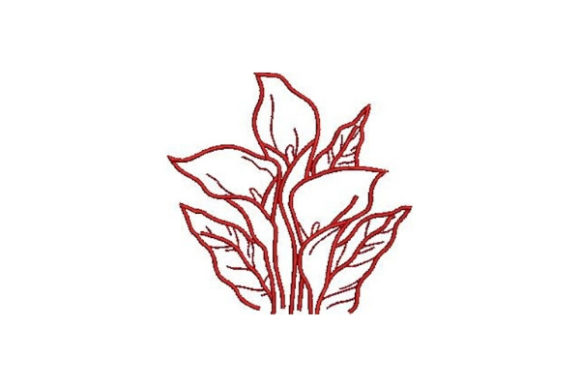
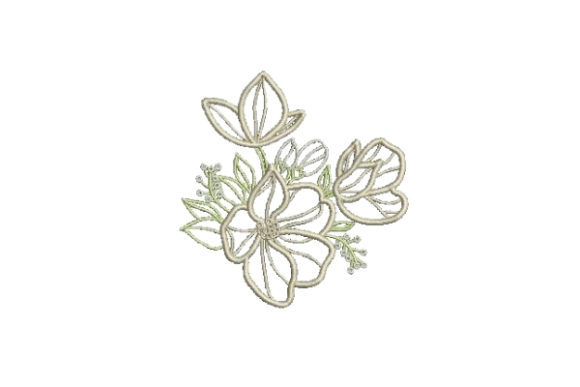
When I opened Redwork Flowers on Creative Fabrica, I wasn’t met with flashy gradients or over-engineered fills — just clean, confident outlines. As an embroidery designer who’s stitched hundreds of floral motifs for Etsy shops, boutique aprons, and baby blanket collections, I immediately recognized its quiet strength: this is a true outline flower design built for readability, not noise. The lines are steady but expressive — slightly tapered, gently curved, and thoughtfully spaced. There’s no visual clutter, no unnecessary satin stitch petals or dense fill sections. That simplicity isn’t minimalism for its own sake; it’s intentionality. It breathes. And in real project use — especially on textured kitchen towels or lightweight cotton baby blankets — that breathing room is what keeps the design legible after five washes.
Where Redwork Flowers Naturally Fits (and Where It Doesn’t)
This machine embroidery design feels made for tactile, human-scale items: embroidered patches for denim jackets, minimalist sweatshirt embroidery on heather grey fleece, delicate cap fronts for spring markets, and soft pillow covers where boldness would overwhelm. I tested it on a linen-cotton blend tote bag — no backing, just light tear-away stabilizer — and the running stitch lines held crisp definition without stiffness. On a curved baseball cap, the open-outline nature meant fewer thread breaks and smoother travel stitches across the dome. But I’d hesitate to use Redwork Flowers on ultra-stretchy performance fabric without digitized underlay or on dark garments unless paired with high-contrast thread colors — because unlike fill-heavy designs, outlines rely entirely on visibility.
Performance Across Common Handmade Products
- Tote bags & aprons: Excellent. The stitch density stays low, so fabric drape remains soft and natural — critical for items customers hold or wear all day.
- Baby blankets & nursery decor: Ideal. No dense satin areas mean less risk of pilling or irritation against sensitive skin. Also scans beautifully in printable mockups for Etsy listings.
- Sweatshirts & custom apparel: Reliable, especially on midweight fleece. Just confirm hoop size fits your garment placket or chest area before stitching — outline designs can span wider than expected.
- Embroidered patches: Highly adaptable. Clean edges make it easy to trim and fuse. Works well as both sew-on and iron-on patch base.
- Kitchen towels & tea towels: A standout. Linen and terry cloth show off the line work without distortion — and the design survives repeated laundering without fraying or ghosting.
What This Design Adds to Your Handmade Product
Redwork Flowers doesn’t shout — it invites closer looking. That subtle shift changes how buyers engage with your finished product. On an Etsy listing, it elevates perceived craftsmanship: customers see intentional negative space, balanced weight, and thoughtful scale. For small business owners building brand consistency, it’s a versatile design asset — one that reads equally well on a seasonal greeting card mockup or a boutique merchandise tag. Because it’s not overly stylized, it pairs effortlessly with monogrammed initials or short phrases in complementary fonts. As a personalized gift, it adds warmth without sentimentality — perfect for new parents, gardeners, or teachers who appreciate quiet beauty over trend-driven graphics.
Practical Notes Before You Stitch
Before committing Redwork Flowers to a customer order or craft fair inventory, I always run these checks:
- Test on scrap fabric — especially if using textured, stretchy, or dark material. Outline designs reveal stabilizer choices instantly.
- Review thread color contrast carefully. A pale pink outline on blush linen may vanish; navy on charcoal works beautifully.
- Confirm hoop size requirements — even simple outlines can require larger hoops depending on overall dimensions. Don’t assume “small” means 4x4.
- Compare light and dark fabric mockups in your design software. What reads clearly on white may disappear on navy unless you adjust stitch width or add a subtle shadow layer (if editing is permitted).
- Use appropriate stabilizer: light cutaway for knits, tear-away for stable wovens, and water-soluble for delicate layers like organza overlays.
- Inspect small details post-stitch, especially petal tips and stem junctions — fine outlines can feather or skip if tension is off or needle is dull.
- Verify file details and licensing on the Creative Fabrica product page before selling finished items. Licensing varies by seller — some allow commercial use, others restrict resale of physical products.
Final Thoughts for Embroidery Designers & Creative Entrepreneurs
Redwork Flowers won’t replace your go-to applique design or complex fill-stitch bouquet — and it’s not meant to. It’s the quiet, reliable voice in your design library: the one you reach for when clarity matters more than complexity. For Etsy sellers launching a spring collection, for apparel decorators building a cohesive line of minimalist pieces, or for handmade shop owners curating giftable goods, it delivers consistent results with low risk and high charm. It performs well across fabric types, scales gracefully in mockups, and supports — rather than competes with — your brand voice. If your workflow values efficiency *and* authenticity, this Creative Fabrica embroidery file earns its place in your active folder. Just remember: its strength lies in restraint. Let it breathe, pair it thoughtfully, and trust the outline.