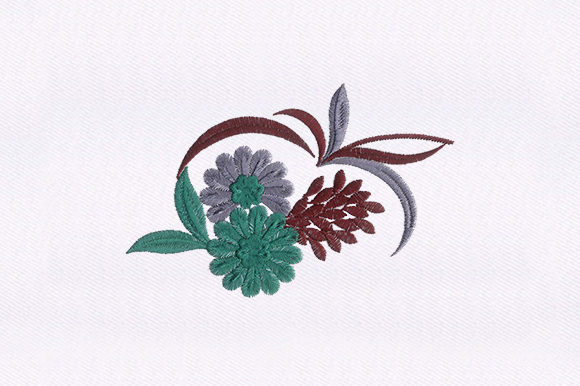
Floral Quilting Design Review
A Practical Embroidery Designer’s Take for Small Business Use
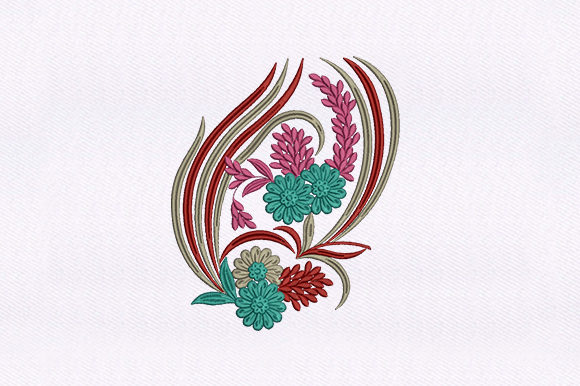
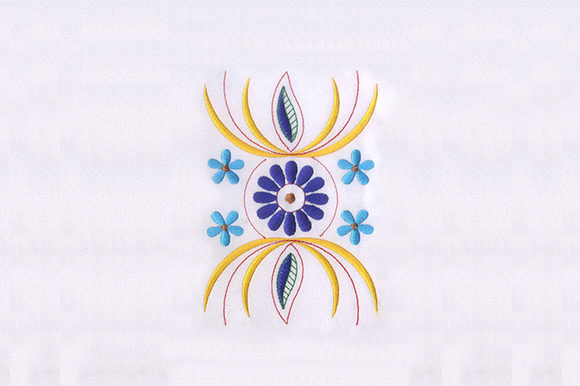
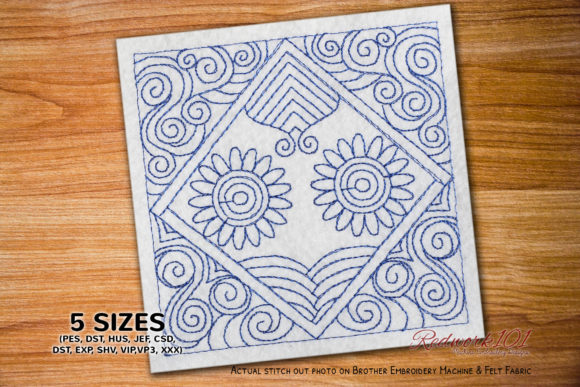
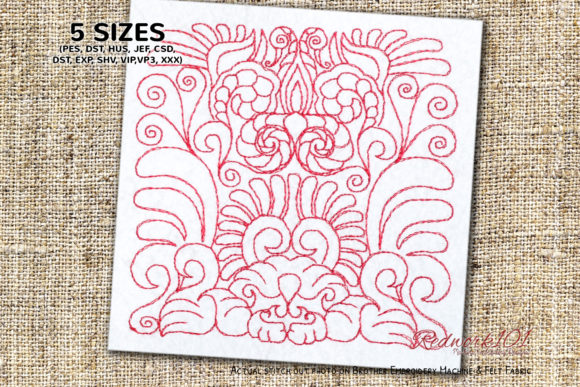
As a professional embroidery designer with 15+ years of experience creating custom assets for cafés, florists, boutiques, bakeries, and handmade brands, I’ve reviewed hundreds of machine embroidery designs — but Floral Quilting Design stands out for its quiet versatility. At first glance, the name suggests softness, craftsmanship, and tactile warmth — not flashy or trendy, but grounded in tradition. That’s a major advantage for small business merch: it reads as handmade, trustworthy, and intentionally designed, not mass-produced or generic. It leans into elegance without stiffness, playfulness without clutter, and detail without overcomplication.
Where Floral Quilting Design Shines in Real Business Applications
This design works exceptionally well across high-impact branded touchpoints — especially where authenticity and approachability matter. Think apron embroidery for a local café, embroidered patch for a florist’s tote bag, chest accent on staff uniforms, or sleeve detail on boutique work shirts. Its organic floral motifs and quilting-inspired line rhythm translate beautifully to custom apparel that feels personal yet polished.
- Embroidered patches: The balanced negative space and moderate stitch density allow clean reproduction at 2.5"–3.5" sizes — ideal for sew-on or iron-on patches on denim jackets, canvas totes, or reusable shopping bags.
- Cap embroidery: When scaled to fit standard front panels (2"–2.25" height), the design retains legibility and flow — especially on structured cotton twill or unstructured mesh caps.
- Tote bag design: As a centered motif on natural canvas or linen-blend totes, Floral Quilting Design adds artisanal value without overwhelming the fabric’s texture.
- Apron embroidery: Positioned just above the pocket or along the waistband, it reinforces brand identity while complementing functional wear — no snagging, no bulk.
- Product packaging accents: Stitched onto fabric gift tags, drawstring pouches, or reusable produce bags, it elevates perceived quality and aligns with eco-conscious branding.
It also integrates seamlessly into broader design assets — pairing naturally with minimalist typography, hand-drawn icons, or neutral-color palettes common among Etsy sellers and creative studios. Because it’s rooted in quilting language, it subtly signals care, craft, and continuity — qualities customers associate with trusted local businesses.
Use With Intention: Where Caution Is Needed
While Floral Quilting Design is flexible, it’s not universally forgiving. As an embroidery designer, I advise careful evaluation before locking in production for certain applications:
- Small patch sizes under 2": Fine petal outlines and subtle quilting lines may blur or lose definition. Always test stitch-out at your target size — don’t rely solely on on-screen preview.
- Curved surfaces like cap bills or knit beanies: The design’s gentle curves respond well, but avoid placing dense sections directly over seams or high-stretch zones without added stabilizer.
- Dark or textured fabrics: On heavy denim, corduroy, or heathered knits, verify thread color contrast — lighter pastels may recede; deeper tones (forest green, charcoal, burgundy) often anchor better.
- Frequent-wash items: Though inherently durable as a machine embroidery design, high-stitch-density areas benefit from tear-away + cut-away stabilizer combo on cotton blends or performance fabrics.
Note: While listed under Bedroom category, this embroidery file isn’t limited to linens or décor — its visual language adapts cleanly to apparel, accessories, and retail branding. Don’t let the category constrain your use.
How It Strengthens Brand Identity and Customer Trust
In a crowded marketplace, consistency and character drive recognition — and Floral Quilting Design delivers both. Unlike overly literal logos or clip-art florals, it communicates craft without saying a word. For a pet brand, it softens professionalism with warmth. For a bakery, it hints at homemade care. For a florist, it echoes botanical detail without mimicking specific blooms — giving your brand breathing room to evolve.
That subtlety builds trust. Customers subconsciously read finely executed embroidery as evidence of attention to detail — which extends to product quality, service, and values. When used across staff aprons, customer totes, and gift packaging, Floral Quilting Design becomes a quiet throughline in your visual story — reinforcing cohesion without repetition.
Essential Embroidery Designer Notes Before Production
Before sending Floral Quilting Design to your digitizing software or commercial embroidery partner, run these checks:
- Test stitch it in black and white first — assess balance, spacing, and density without color distraction.
- Verify how it renders at your smallest intended size (e.g., 1.75" for cap fronts or tiny sleeve accents).
- Review thread color contrast on your target fabric swatch — especially if using ecru, sage, or dusty rose threads.
- Inspect spacing between elements — tight gaps may close up on low-thread-count cotton or stretch fabrics.
- Confirm hoop size compatibility with your embroidery machine and garment type (e.g., cap frames vs. flat hoops).
- Stitch a sample on your actual fabric — include proper stabilizer based on weight and stretch.
- Create a printable mockup for client approval — show placement, scale, and thread palette in context.
- Compare side-by-side with other design assets (logos, icons, typography) to ensure visual harmony.
- Double-check commercial licensing terms — this is a digital embroidery file intended for commercial embroidery use, but always confirm permissions before scaling across merchandise lines.
Remember: The strength of Floral Quilting Design lies not in its complexity, but in its clarity of purpose — supporting your brand quietly, consistently, and beautifully. Whether you’re launching small batch small business merch or building long-term brand identity for a handmade product line, this machine embroidery design earns its place in your active design library.